stem cell therapy for back pain

Stem Cell Therapy for Back, Spine & Neck Pain in Dallas, TX

Medically Reviewed by: Dr. Bill Johnson, MD — Founder & Medical Director

🏆 Recognized as the “Top Stem Cell Therapy Company” in the USA by Life Sciences Review Magazine

🦴 Clinical Focus: Surgical-grade, two-doctor regenerative spine protocols utilizing real-time C-Arm fluoroscopy for precise cellular deployment into damaged disc spaces, facet joints, and spinal nerves using ~100 million autologous MSCs.

At Innovations Stem Cell Center, we offer stem cell therapy for back pain and spinal injuries to help patients avoid surgery and regain mobility. Many patients turn to stem cell therapy for back pain when other options like injections or surgery have failed.

Benefits of Stem Cell Therapy for Back Pain Patients

Hear directly from our two treating physicians about how stem cell therapy for back pain works — and why so many patients prefer it to surgery.

Doctor Bill Johnson and Doctor James Davis Explain How Stem Cell Therapy for Back Pain Really Works

Understanding Spinal Cord Injuries and the Role of Stem Cell Therapy

Spinal cord injuries remain one of the most devastating and life-altering conditions in modern medicine. Even with advancements in emergency care and rehabilitation, many patients face long-term disability — ranging from partial paralysis to complete loss of movement in all four limbs.

Beyond the emotional and physical toll, the lifetime cost of managing a spinal cord injury can range from $500,000 to over $2 million, depending on severity and support needs.

At Innovations Stem Cell Center, our goal is to help patients and families understand whether stem cell therapy for back pain and spinal cord injuries could offer a new path forward. This page is designed to educate and guide you through every step of that decision.

In this section, you’ll learn:

  1. What causes spinal cord injuries and how they affect the body

  2. Current medical treatments and their limitations

  3. What adult stem cells are and how they work

  4. How we safely harvest stem cells from your own fat

  5. How we deploy stem cells using advanced imaging and a two-doctor team

  6. What type of results to expect after treatment

  7. Where the science of regenerative medicine is headed

Whether you’re researching for yourself or a loved one, this information is meant to help you make a confident and informed decision. Unlike surgery, stem cell therapy for back pain uses your body’s own cells to promote regeneration and reduce inflammation at the injury site.

Feel free to skip to sections that provide information that is helpful to you. For more information including definitions and descriptions of spinal cord injuries visit:
http://www.nlm.nih.gov/medlineplus/spinalcordinjuries.html
http://www.spinalcord.org/

Innovations Stem Cell Center is part of the national network, Cell Surgical.

Conditions Treated: Herniated Discs, Sciatica, & Cervical Spine Pain

We treat a wide range of back and spine-related conditions using your body’s own fat-derived adult stem cells. We’ve seen excellent outcomes in patients using stem cell therapy for back pain, especially those dealing with herniated discs, chronic inflammation, and nerve compression.

Commonly treated issues include:

  • Chronic lower back pain

  • Herniated or bulging discs

  • Spinal cord injuries

  • Sciatica

  • Degenerative disc disease

  • Neck and cervical spine pain

  • Post-surgical spine pain

stem cell therapy for back pain in Dallas

Advanced 2-Doctor Surgical-Grade Protocol with C-Arm Fluoroscopy

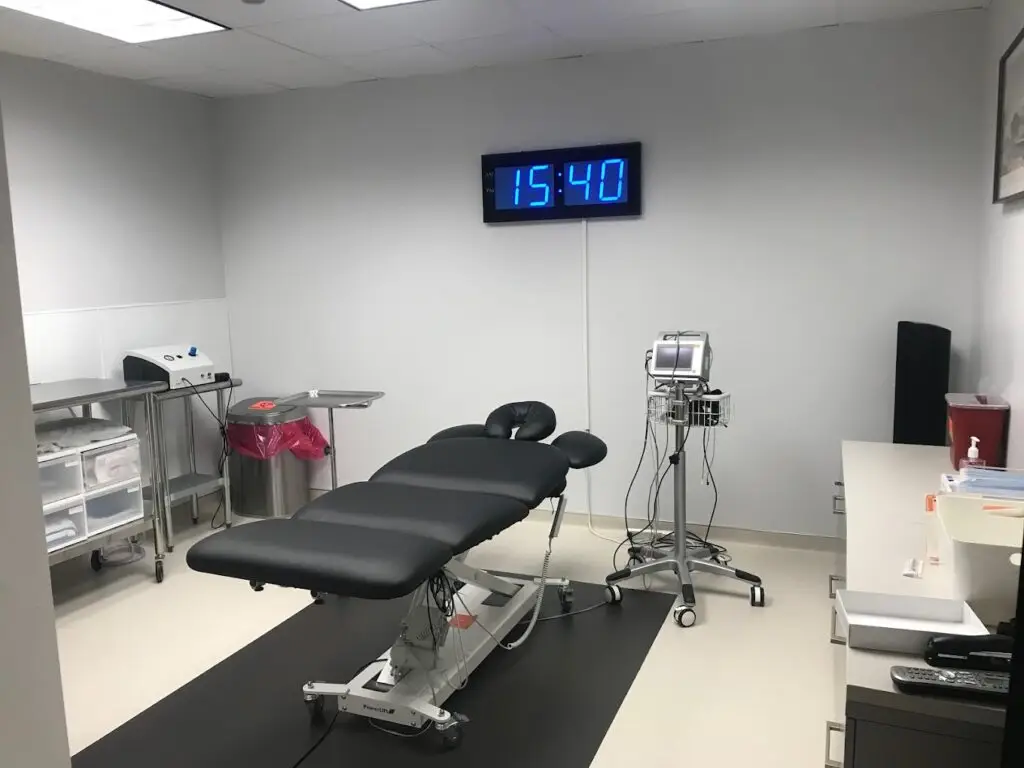
Unlike standard joint injections performed by a single clinician with a handheld ultrasound, spinal and cervical disc restoration requires surgical-grade precision. Every back and neck procedure at Innovations Stem Cell Center is performed by a dedicated Two-Doctor Medical Team supported by a certified Radiology Technologist utilizing C-Arm Real-Time Fluoroscopy. This 5-hour protocol ensures pinpoint delivery of ~100 million autologous stem cells directly into damaged disc spaces and spinal facet joints while protecting delicate nerve roots.

Why Choose Innovations Stem Cell Center for Back & Neck Pain?

When treating complex spinal structures, herniated discs, and nerve compression, the expertise, technology, and clinical environment make all the difference. While many clinics offer generic, single-clinician injections, Innovations Stem Cell Center provides a specialized, surgical-grade spine protocol designed for maximum safety, precision, and cellular yield.

  • Award-Winning Medical Leadership: Recognized as the “Top Stem Cell Therapy Company” in the USA by Life Sciences Review Magazine under the direction of Founder & Medical Director Dr. Bill Johnson, MD.

  • Surgical-Grade 2-Doctor Protocol: Every back and neck procedure is performed by a dedicated team of two board-certified physicians, a certified Radiology Technologist, and specialized nursing staff working together in a 5-hour comprehensive deployment.

  • Real-Time C-Arm Fluoroscopy Guidance: We never guess cellular placement. Utilizing advanced C-Arm fluoroscopy imaging, our physicians map and verify needle placement in real-time, delivering cells directly to damaged disc spaces and facet joints while protecting delicate spinal nerves.

  • High-Yield Autologous SVF (~100 Million Cells): We harvest and process your own live adipose-derived stem cells on-site using a closed, sterile system—delivering up to 100 times the cellular concentration of standard bone marrow or cord blood products.

  • Strict IRB Safety Oversight & Transparency: All protocols are performed under Institutional Review Board (IRB) safety oversight, complete with transparent, all-inclusive package pricing, local lab clearance, and flexible monthly payment options starting from ~$216/month.

Why We Use Fat-Based Stem Cell Therapy for Back Pain

At Innovations Stem Cell Center, we use fat-derived adult stem cells because they are the most effective, abundant, and safe option currently available in the United States. Your own fat tissue is one of the richest sources of mesenchymal stem cells — the type most commonly used in regenerative medicine.

Compared to bone marrow or cord blood alternatives, fat-based stem cells are easier to harvest, less invasive, and produce a higher yield of viable cells. And because they come from your own body, there’s no risk of rejection or ethical concerns. For back pain, these cells are injected directly into the injured or inflamed areas using advanced imaging guidance, helping reduce inflammation and stimulate tissue repair.

This natural, non-surgical approach makes fat-based stem cell therapy for back pain a powerful option for those suffering from herniated discs, sciatica, or other spinal conditions.

Fat-derived adult stem cells have shown great promise in stem cell therapy for back pain, offering a minimally invasive, regenerative alternative to traditional treatments.

Dr. Johnson explains how stem cells work for repairing different tissues seen with back pain and spine injuries.

Transparent Spine Pricing & Flexible Financing Options

At Innovations Stem Cell Center, we believe patients deserve complete, upfront transparency when evaluating non-surgical alternatives to major spinal surgery.

Unlike standard peripheral joint procedures, spinal and cervical disc restoration requires an intensive, surgical-grade environment. Our all-inclusive back, spine, and neck protocol ranges between $16,000 and $19,000 (depending on the number of spinal disc levels treated and procedural complexity).


Why the Spine Protocol Requires an Expanded Resource Team:

Standard stem cell treatments at our clinic utilize a single physician for joint or systemic deployments. However, because spinal disc and cervical deployment involves working near delicate nerve roots and the central spinal cord, your treatment utilizes an expanded, high-precision surgical environment:

  • Two Board-Certified Physicians: Dedicated 1-on-1 surgical team care throughout your entire procedure.

  • Certified Radiology Technologist: Operating real-time C-Arm fluoroscopy for pinpoint needle placement.

  • 5-Hour Precision Procedure: Extended procedural time including detailed disc mapping and harvesting ~100 million autologous adipose-derived stem cells.

  • All-Inclusive Care: Covers pre-procedure medical evaluation, in-office harvesting, lab processing, image-guided deployment, local LabCorp bloodwork, and post-procedure follow-ups.


Comparing Your Options: Spinal Fusion vs. Regenerative Disc Protocol

Procedure FactorTraditional Spinal Surgery (Fusion / Laminectomy)Innovations Regenerative Spine Protocol
Total Estimated Cost$50,000 – $110,000+ (plus co-pays & deductibles)$16,000 – $19,000 (All-Inclusive Package)
Medical TeamHospital Surgical Team & General Anesthesia2 Doctors + Radiology Tech + C-Arm Fluoroscopy
Recovery Down Time3 to 6 Months Off WorkSame-Day Discharge (Awake under Local Anesthesia)
Long-Term Structural RiskHigh Risk of Adjacent Segment DiseaseAutologous Cell Signaling & Disc Support
Monthly Payment OptionHigh Medical DebtFlexible Financing from ~$216/month

Flexible Healthcare Financing (Starting at ~$216/Month)

To make advanced spine care accessible without financial strain, we partner with leading healthcare lenders to offer flexible monthly payment options:

  • Low Monthly Payments: Plans starting at approximately $216 to $320 per month (depending on terms and credit profile).

  • Extended Terms: Terms available from 6 to 60 months, including 0% interest promotional options for qualified applicants.

  • Fast Pre-Approval: Quick pre-qualification that does not impact your credit score, allowing you to review your exact monthly investment before scheduling.

Frequently Asked Questions

Q: 1. What are the causes and symptoms of spinal cord injuries?

A: Spinal cord injuries occur at a rate of 40 persons per million per year in the United States. That translates to over 12,000 new cases a year. Motor vehicle accidents account for almost half of the cases. Falls, violence such as gunshot wounds, and sports injuries make up most of the rest. Up to 80% of victims are male. This is a disorder that affects the young; the average age of victims in the US is 38.

The most obvious symptom of spinal cord injury is the paralysis in affected areas. The amount and severity of paralysis depend on several factors including the location and type of injury. Patients can experience anything from a weakness in one extremity to complete paralysis of everything below the neck.

Spinal cord injury patients also experience a number of other complications that include:
1. Bladder dysfunction including leaking and inability to empty the bladder. This can lead to further complications such as urinary infections and kidney stones.
2. Bowel dysfunction including constipation, incontinence, and retention of stool.
3. Autonomic dysfunction that can result in a number of symptoms including high blood pressure (hypertension), flushing, headaches, and rapid or slow pulse.
4. Increased incidence of coronary artery disease (heart disease).
5. Sexual dysfunction and male infertility.
6. Osteoporosis and increased bone fractures.
7. Pressure ulcers.
8. Spasticity of affected limbs and trunk.
9. Contractions and wasting of muscles in affected areas.
10. Pain syndromes in affected areas.

This is a partial list. There are a number of other complications that can occur in spinal cord injury patients. For more information see:
http://www.spinalcord.org/
http://www.mayoclinic.com/health/spinal-cord-injury/DS00460/DSECTION=symptoms

Q: 2. What are the current medical treatment options for spinal cord injuries?

A: There have been important advances in recent years to the treatment of acute spinal injuries that result in less damage to the cord improved post-injury function. For further information on the acute treatment of spinal cord injuries please see:/

http://www.uptodate.com/contents/acute-traumatic-spinal-cord-injury

After the initial stabilization and interventions to preserve function, treatment of spinal cord injuries is supportive. There are no currently accepted treatments directed at repairing the damage done to the spinal cord.

Many interventions are done with spinal cord injury patients. Some of the more common include:

1. Physical therapy to increase strength and avoid contractions.
2. Occupational therapy to train daily living and occupational activities.
3. Ventilation (breathing) support for high cervical injuries.
4. Intermittent bladder catheterization commonly used with medications to help prevent urinary incontinence.
5. Routine bowel management that includes a scheduled toilet time, laxatives, and other maneuvers to maintain regular bowel movements in a controlled manner.
6. Diet high in fiber and low in dairy and fat.
7. Medications to prevent bone loss (bisphosphonate) and decrease soft tissue calcification (Non-steroidal anti-inflammatories).
8. Musculoskeletal interventions include careful positioning and repositioning, range of motion exercises, and joint splinting.
9. Careful attention to avoid pressure ulcers.
10. Medications directed at reducing muscle spasticity.
11. Interventions directed at controlling chronic. These include anti-seizure medications, antidepressant medications, narcotics, and surgical procedures. Alternative pain control methods such as hypnosis and acupuncture have also been used.

Many other interventions are available depending on the individual patient’s needs. This is a list of some of the more common treatments. The use of stem cells is directed at repairing the actual injury and restoring cord function. (see: What results can I expect after deployment of adult stem cells for spinal cord injuries?) For more information on current medical see:
http://www.mayoclinic.com/health/spinal-cord-injury/DS00460/DSECTION=treatments-and-drugs
and
http://www.ninds.nih.gov/disorders/sci/detail_sci.htm

Q: 3. What are adult stem cells?

A: Stem cells are special cells in our bodies that have two important characteristics:

1. Stem cells have the ability to replicate. In other words, they can make new copies of themselves. Because of this ability, an infinite number of copies can be made from the same cell.
2. Stem cells also have the ability to become other types of cells. A good example of this is that research labs have used fat-derived stem cells to make cartilage muscle, skin, and bone cells. This ability means that in theory the transformed can make an infinite number of the new cell type.

Stem cells can come from a number of sources including embryos, umbilical cord blood, and adult cells. Adult stem cells come from adult individuals, not embryos or umbilical cord blood. Stem cells obtained from mature adult tissues are referred to as adult stem cells. Adult stem cells are believed to have the potential to become any type of cell.

The two most commonly used sources of adult stem cells are fat and bone marrow.

Adult stem cells from fat are called adipose-derived adult stem cells. For most purposes, stem cells from fat are easier to obtain and more abundant than from other tissues. For more information read our blogs What are Stem Cells? and Understanding Adipose-Derived Stem Cells.

Q: 4. How are adult stem cells harvested from fat?

A: Harvesting adult stem cells from fat is very safe. The procedure has little discomfort and fairly easy recovery. First, an area such as the stomach or leg is picked to remove the fat. We then take you to the procedure room and sterilize the area. A local anesthetic is then injected into the area. Fat is suctioned using a special syringe and cannula. Typically we suction about 50 ml (about 1 1.2 oz.) of fat.

Swelling and bruising is common following the procedure at the harvest site. Swelling and bruising typically resolve within 2-3 weeks after the procedure. Most patients receive a prescription for pain medications for use as needed. We give a dose of antibiotics before the procedure but no antibiotics are needed afterward.

Next we take the harvested cells and use a centrifuge and incubator to do some simple processing. The processing isolates the adult stem cells from the other fat cells. The final product is called Stromal Vascular Fraction (SVF). SVF obtained from fat can contain up to about 25 million adult stem cells from 50 ml of fat. SVF also contains a large amount of growth factors. Growth factors are chemical “text messages” our cells use to communicate with each other. After we have obtained the SVF, the next step is to deploy the SVF for your spinal cord injuries.

Q: 5. How are adult stem cells deployed for spinal cord injuries?

A:The process of using adult stem cells/SVF is referred to as deployment. In treating spinal cord injuries we deploy the adult stem cells/SVF into the soft tissue and epidural space around the area of the injury. This is done by an interventional radiologist using special imaging.

An IV is also started and a portion of the adult stem cells/SVF is given intravenously. We know that the damaged areas are releasing growth factors. These growth factors attract the adult stem cells/SVF to the area of the injury. Currently, injections into the spinal cord itself are not being performed. In the future, more deployment protocols may be developed (see: What is the future for adult stem cells in spinal cord injuries?)

Q: 6. What results can I expect after deployment of adult stem cells for spinal cord injuries?

A: Currently the treatment group is not large enough to give a conclusive answer to this question. It is important to note that the Food and Drug Administration (FDA) has NOT approved the use of adult stem cells/SVF for any disorder. This includes the use of stem cells/SVF for spinal cord injuries. Fortunately, we have enough early experience to talk about trends in therapy. The number of patients treated increases weekly, so the total depends on when you are reading this article (initial writing August 2013). Thus far, the majority of patients treated have seen an improvement in function. Most patients have seen improvement in autonomic dysfunction, bladder and bowel control. Some patients have seen an increase in muscle strength and function. Using the criteria that a satisfied patient is one that is glad they had the procedure, everyone reported so far has been satisfied.

Most patients are seeing improvements beginning 2-3 months following their adult stem cell/SVF deployment. It is reasonable to assume that a second (or more) adult stem cell/SVF deployment after 6-12 months would result in further improvement. However, the number of patients with a second deployment is too small to comment on the response. It is important to note that the great majority of patients treated had experienced a spinal cord contusion and DID NOT have a physically severed cord.

Q: 7. What is the future for adult stem cells in spinal cord injuries?

A: Most experts agree that stem cells hold the greatest potential for treating and reversing the effects of spinal cord injuries. The type of stem cells best to use (embryonic, bone marrow, or fat derived) and how to best utilize them is heavily researched and debated. Adult stem cells have a good chance of becoming the treatment of choice because of their safety, availability, and lack of controversy. It is likely that in the future, we will see further preparation done to the adult stem cells/SVF in order to prepare them to more readily become neurons. Injection techniques into the damaged spinal cord may also be developed. Over the next few years, we have some real hope in seeing therapy develop that could restore large amounts of function to spinal cord injury victims.

stem cell therapy for back pain in dallas, Texas

MRI Review & Patient Preparation Checklist

The first step toward treating your back pain with stem cell therapy is to schedule a consultation with our team. During this initial visit — either in-person or virtual — we’ll review your condition, answer your questions, and determine if you may be a good candidate for treatment.

If you’re a candidate, the next step is to submit a recent MRI (within the last 12 months) and routine bloodwork, which help us safely plan your personalized procedure. Once all medical information is reviewed and approved, we’ll move forward with scheduling.

Please note: due to high demand and the level of coordination involved, spine-related procedures are typically booked 6 or more weeks in advance. We encourage patients to begin the consultation process early to avoid delays.

If you’re considering stem cell therapy for back pain, schedule a consultation today to learn more about the process and determine if you’re a candidate.

Turnkey Travel Logistics for Out-of-State Spine Patients

Because our specialized two-doctor, fluoroscopy-guided spine protocol draws patients from across the country, our dedicated concierge team ensures every step of your travel to Dallas is seamless, comfortable, and low-stress.

  • Complimentary Partner Hotel Accommodations: We provide complimentary hotel stays at comfortable partner hotels located just minutes from our North Dallas medical clinic and convenient to both Dallas/Fort Worth International Airport (DFW) and Dallas Love Field (DAL). Explore full details on our Patient Travel Package & Hotel Perks page.

  • Local Pre-Procedure Labwork: We streamline your medical clearance by coordinating all required safety bloodwork locally near your home through LabCorp facilities before you fly.

  • Dedicated Driver Requirement: Because our 5-hour comprehensive spinal deployment targets deep disc spaces and nerve pathways, patients are strictly required to have a designated companion or transport driver following the procedure. Our team helps schedule arrival and departure times so your traveling companion can assist you comfortably from clinic to hotel.