Stem Cell Therapy for Autism Spectrum Disorder (ASD) in Dallas, TX
Medically Reviewed by: Dr. Bill Johnson, MD — Founder & Medical Director
🏆 Recognized as the “Top Stem Cell Therapy Company” in the USA by Life Sciences Review Magazine
🧠 Clinical Focus: Supportive regenerative medicine targeting neuroinflammation, immune dysregulation, and neurovascular perfusion using specialized autologous and parent-donor cell banking protocols.
Understanding Autism Spectrum Disorder & Chronic Neuroinflammation
Parents of children with autism spectrum disorder (ASD) often feel they’ve exhausted every option. Behavioral therapies, medications, and interventions can help – but many families are searching for something more.
At Innovations Stem Cell Center, we offer stem cell therapy for children with autism using a specialized parent-donor protocol designed specifically for young patients. We’ve helped families from across the United States – including many traveling from the East Coast – explore this regenerative approach.
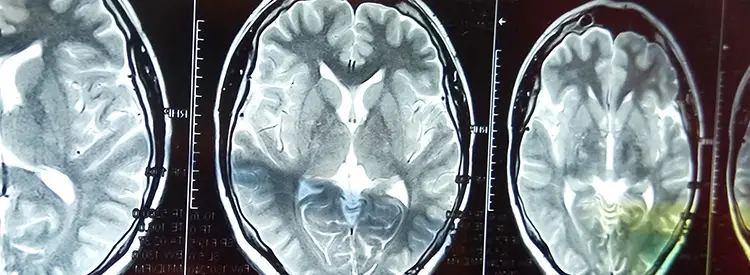
Autism Spectrum Disorder (ASD) involves complex neurodevelopmental differences affecting communication, social interaction, sensory processing, and behavioral adaptability. While the exact etiology varies, neuroimaging and immunological studies highlight two consistent biological factors in many autistic individuals: chronic neuroinflammation and microvascular hypoperfusion (reduced localized brain blood flow).
Microglial cells (the resident immune cells in the central nervous system) can remain in a hyperactive, pro-inflammatory state. This ongoing cellular stress impairs synaptic plasticity and communication between neural networks. At Innovations Stem Cell Center, our regenerative protocols utilize Mesenchymal Stem Cells (MSCs) to help modulate hyperactive immune responses, secrete neurotrophic growth factors (BDNF, NGF), and support systemic cellular repair.
Autism Spectrum Disorder is a primary neurodevelopmental focus within our Neurological Recovery & Brain Health Center.
How Stem Cell Therapy Works for Autism
Autism spectrum disorder involves complex neurological differences that affect communication, behavior, and social interaction. While the exact mechanisms are still being studied, research suggests that inflammation and immune dysregulation may play a role in autism.
Stem cell therapy may help by:
– Reducing neuroinflammation
– Modulating immune system function
– Supporting neural connectivity
– Releasing growth factors that promote healing
– Potentially improving communication and behavior
Many parents report improvements in eye contact, speech, social interaction, and reduced repetitive behaviors after treatment. Results vary by child and severity of symptoms.
Age-Based Protocols: How We Treat Teens vs. Young Children (Under 10)
Because pediatric comfort, anatomical safety, and procedural tolerance vary significantly with age, Dr. Bill Johnson has established two distinct clinical pathways to ensure the safest, most effective experience for every family:
Pathway A: Teens & Young Adults (Standard Same-Day SVF Protocol)
Candidates: Teenagers and older candidates who can comfortably undergo local anesthesia in an office setting.
Procedure: A standard, same-day autologous procedure. In a single 3- to 4-hour visit, Dr. Johnson collects fat tissue via a gentle, 3-minute mini-liposuction under local anesthesia, processes the Stromal Vascular Fraction (SVF) in our sterile lab to isolate ~100 million stem cells, and deploys them systemically via IV infusion.
Pathway B: Young Children Under 10 (Cell Banking & Cultured Dose Protocol)
Candidates: Children under 10 years old. Because young bodies have limited fat tissue for harvesting and cannot remain still for in-office lipo-aspiration under local anesthesia, we do not perform direct SVF harvesting on young children.
– Limited areas to safely harvest fat from small bodies
– Difficulty keeping children still during the procedure
– We perform all procedures under local anesthesia only – no general anesthesia
For these reasons, we use a parent-donor protocol for autism patients:
Step 1: Bloodwork
We order comprehensive bloodwork for both parents AND the child. This is essential for safety and compatibility.
Step 2: Donor Selection
Dr. Bill Johnson reviews all bloodwork results and determines which parent is the best donor match for the child.
Step 3: Stem Cell Harvest
The selected parent undergoes a quick fat harvest (about 3 tablespoons) under local anesthesia. This takes only 3 minutes.
Step 4: Processing
The fat is processed in our FDA-compliant lab to isolate stem cells.
Step 5: IV Treatment
Stem cells are administered to the child via IV infusion. This is the safest and most effective delivery method for young patients.
While using the child’s own cells would be ideal, the parent-donor approach is the best option for young children and has shown positive results in our patients.
Important IV Administration Requirement for Children:
Stem cell administration for young children is conducted exclusively via intravenous (IV) infusion. To receive treatment, the child must be able to tolerate having an IV placed while calm. Because we prioritize safety and operate strictly under local anesthesia, we do not offer general sedation or restraint for pediatric patients. If a child cannot tolerate IV placement, treatment cannot be performed.
What to Expect: Treatment Timeline
Before Your Visit:
– Complete bloodwork for both parents and child (we provide lab orders)
– Dr. Johnson reviews results and selects donor parent
– Schedule your treatment appointment
Treatment Day (approximately 4 hours):
– Donor parent fat harvest (3 minutes)
– Stem cell processing (2.5 hours)
– Child receives IV infusion
– Go home or return to hotel same day
After Treatment:
– Most families notice changes within weeks to months
– Improvements may continue over time
– Many families return every 6 months for follow-up treatments
Ongoing Treatment & Stem Cell Banking
Many autism patients benefit from repeated treatments, typically every 6 months. For families planning ongoing therapy, stem cell banking may be a cost-effective option.
With stem cell banking:
– We harvest and process a larger sample during the initial visit
– Cells are cryopreserved (frozen) for future use
– Future treatments use banked cells – no new harvest needed
– Reduces cost and complexity of repeat visits
Ask your consultant about stem cell banking options during your consultation. American Cell Technology
Traveling to Dallas for Treatment
We welcome families from across the United States. Many of our autism patients travel from the East Coast and other regions seeking treatment options not available locally.
For out-of-town families, we include complimentary hotel accommodations with your treatment.
Our Dallas location is convenient to:
– DFW International Airport (20 minutes)
– Dallas Love Field (15 minutes)
Our patient care team can help coordinate your travel and schedule your consultation.
Who Is a Good Candidate?
Your child may be a candidate for autism stem cell therapy if they:
– Have been diagnosed with autism spectrum disorder
– Are in overall good health
– Have no active infections or cancer
– Have parents willing to undergo bloodwork and potentially donate cells
– Have realistic expectations about outcomes
We treat children of various ages, though most of our autism patients are between 3-10 years old.
“If sensory processing challenges overlap with post-traumatic stress or concussion history, explore our protocol for Traumatic Brain Injury & Neurotrauma.
Cost of Stem Cell Therapy for Autism
$12,500 for the first treatment (cell banking protocol)
Your investment includes:
✅ Bloodwork review for both parents and child
✅ Donor parent stem cell harvest & processing
✅ IV stem cell treatment for child
✅ Follow-up care
✅ Hotel accommodations for out-of-town families
Each additional banked treatment: $5,000
Financing is available. Contact us directly and we’ll help you apply.
Frequently Asked Questions
Q: Why can’t you use my child’s own stem cells?
A: For young children, especially those with autism, it’s very difficult to safely harvest fat. Children have limited fat deposits, and keeping them still during the procedure is challenging since we don’t use general anesthesia. The parent-donor protocol is the safest and most practical approach.
Q: How do you determine which parent should donate?
A: We order comprehensive bloodwork for both parents and the child. Dr. Johnson reviews the results to determine which parent is the best match based on multiple factors.
Q: Is using a parent’s cells as effective as using the child’s own cells?
A: While autologous (own cells) is generally preferred, parent-donor stem cells have shown positive results in our autism patients. The close genetic relationship between parent and child helps with compatibility.
Q: How many treatments will my child need?
A: Many families return every 6 months for ongoing treatment. The number of treatments depends on your child’s response and your goals. Some families see significant improvement after one treatment; others benefit from continued therapy.
Q: What improvements might we see?
A: Parents have reported improvements in eye contact, speech and communication, social interaction, reduced repetitive behaviors, better sleep, and decreased anxiety. Results vary by child.
Q: Is stem cell therapy a cure for autism?
A: No. We do not claim to cure autism. Stem cell therapy is a regenerative approach that may help reduce symptoms and improve quality of life for some children. Results vary.
Q: Do you offer financing?
A: Yes. Financing is available. Contact us directly and we’ll help you apply.
Schedule Your Consultation
If you’re exploring stem cell therapy for your child with autism, we’re here to answer your questions and help you determine if this approach may be right for your family.
Call (972) 893-9849 or schedule a consultation online.
Turnkey Travel Logistics for Out-of-State Families
Families travel to Dallas from across the United States for our specialized pediatric and teen protocols. To make your travel as comfortable as possible:
Complimentary Hotel Accommodations: We provide complimentary hotel stays at partner hotels near our Dallas clinic and DFW/Love Field airports. Review options on our Patient Travel Package & Hotel Perks page.
Pre-Arrival Coordination: We handle necessary parent/child bloodwork locally through LabCorp facilities near your hometown before you fly.