Stem Cell Therapy for Guillain-Barré Syndrome & CIDP in Dallas, TX
Medically Reviewed by: Dr. Bill Johnson, MD — Founder & Medical Director
🏆 Recognized as the “Top Stem Cell Therapy Company” in the USA by Life Sciences Review Magazine
🧠 Clinical Focus: Supportive regenerative protocols targeting peripheral nerve inflammation and neurotrophic repair using ~100 million autologous MSCs.
Understanding Guillain-Barré Syndrome & Peripheral Nerve Demyelination
Guillain-Barré syndrome (GBS) is a rare but serious autoimmune disorder where the body’s immune system attacks the peripheral nerves. While most people eventually recover, many are left with lingering weakness, fatigue, numbness, or pain that can last months or years.
At Innovations Stem Cell Center, we offer stem cell therapy to help support nerve recovery and reduce residual symptoms in Guillain-Barré patients. Our adipose-derived stem cells yield 100 million cells per treatment – compared to just 100,000 from bone marrow. More cells means more healing potential.
Guillain-Barré Syndrome is one of several severe neurological autoimmune conditions treated within our dedicated Autoimmune & Immune Recovery Center.
What is Guillain-Barré Syndrome?
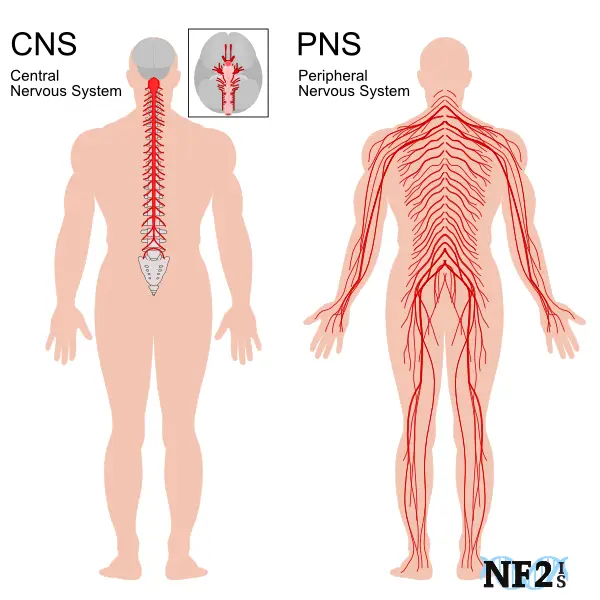
Guillain-Barré syndrome is an autoimmune condition where the immune system mistakenly attacks the myelin sheath (protective covering) of peripheral nerves. This disrupts nerve signals between the brain and body, causing muscle weakness and sometimes paralysis.
GBS affects approximately 1 in 100,000 people each year. It often follows:
– Viral or bacterial infections (especially Campylobacter, flu, or respiratory infections)
– Surgery
– Vaccinations (rare)
– Other immune triggers
The condition typically progresses rapidly over days to weeks, then stabilizes before gradual recovery begins.
Symptoms of Guillain-Barré Syndrome
GBS symptoms typically start in the legs and spread upward:
Early symptoms:
– Tingling or “pins and needles” in fingers and toes
– Weakness in legs that spreads to upper body
– Unsteady walking or inability to walk
– Difficulty with facial movements (speaking, chewing, swallowing)
Severe symptoms (in some cases):
– Paralysis of legs, arms, and breathing muscles
– Blood pressure fluctuations
– Rapid heart rate
– Difficulty breathing (may require ventilator)
Residual symptoms (after acute phase):
– Persistent weakness
– Chronic fatigue
– Numbness or tingling
– Neuropathic pain
– Balance problems
– Reduced stamina
While most GBS patients recover, up to 20% have lasting disability, and many experience residual symptoms for years.
Because nerve tissue regeneration relies on healthy capillary blood flow, patients with co-occurring peripheral circulatory restriction can explore our protocol for Vascular Diseases & Ulcers.
Acute Hospital Care vs. Long-Term Neurological Recovery
Acute GBS is typically treated with:
– Plasma exchange (plasmapheresis) – filters antibodies from blood
– Intravenous immunoglobulin (IVIG) – blocks damaging antibodies
– Supportive care – respiratory support, blood clot prevention
– Rehabilitation – physical and occupational therapy
These treatments help during the acute phase, but there’s no standard treatment specifically designed to repair nerve damage or address lingering symptoms after recovery plateaus.
This is where stem cell therapy may help.
How ~100 Million Fat-Derived MSCs Target Nerve Inflammation & Remyelination
Stem cell therapy offers a regenerative approach that may support nerve recovery beyond what standard treatments provide.
When deployed for Guillain-Barré syndrome, stem cells:
– Reduce residual inflammation attacking nerves
– Release growth factors that support nerve repair
– May help regenerate damaged myelin sheath
– Support peripheral nerve healing
– Help modulate the overactive immune response
Stem cell therapy is particularly relevant for GBS patients who have:
– Plateaued in their recovery
– Persistent weakness or numbness months after onset
– Chronic fatigue or neuropathic pain
– Not fully regained function despite rehabilitation
Real Results: Guillain-Barré Patient Testimonial
Hear from one of our Guillain-Barré patients about their recovery experience with stem cell therapy.

The Guillain-Barré Stem Cell Procedure
Our procedure is performed entirely in our Dallas office.
Step 1: Consultation
We review your GBS history, current symptoms, and recovery progress to determine if you’re a good candidate.
Step 2: Stem Cell Harvest (3 minutes)
Using local anesthesia, we harvest about 50cc of fat (3 tablespoons) from your abdomen or flanks.
Step 3: Processing (2.5 hours)
Your fat is processed in our FDA-compliant lab to isolate stem cells. We verify an average yield of 100 million cells.
Step 4: Deployment
Stem cells are delivered via IV infusion. The cells naturally travel to areas of inflammation and nerve damage.
Total appointment time: approximately 3-4 hours. No general anesthesia. No hospital stay.
Who Is a Good Candidate?
You may be a candidate for Guillain-Barré stem cell therapy if you:
– Have been diagnosed with Guillain-Barré syndrome
– Have completed the acute phase of illness
– Have residual symptoms (weakness, numbness, fatigue, pain)
– Have plateaued in recovery despite rehabilitation
– Are looking for additional treatment options
– Are in stable health
– Have no active infections or cancer
Stem cell therapy is NOT appropriate during acute GBS – it’s designed to help with recovery and residual symptoms after the initial phase has passed.
Cost of Stem Cell Therapy for Guillain-Barré Syndrome
$16,500 for initial treatment
Your investment includes:
✅ Complete medical evaluation
✅ Stem cell harvest & processing (100 million cells)
✅ IV infusion delivery
✅ Follow-up care included
Second treatment (if needed): $10,000
Financing is available. Contact us directly and we’ll help you apply.
Comprehensive Out-of-State Patient Support
Traveling to Dallas for GBS/CIDP candidate evaluation? Review our Patient Travel Package & Perks for details on complimentary hotel stays.
Frequently Asked Questions
Q: Can stem cells help Guillain-Barré syndrome?
A: Stem cells may help support nerve recovery and reduce residual symptoms in GBS patients who have completed the acute phase. They work by reducing inflammation, releasing nerve-supporting growth factors, and potentially helping regenerate damaged myelin.
Q: When should I consider stem cell therapy for GBS?
A: Stem cell therapy is appropriate after the acute phase has passed – typically for patients with residual symptoms who have plateaued in their recovery. It’s not a treatment for acute GBS.
Q: How much does stem cell therapy for Guillain-Barré cost?
A: Treatment is $16,500, which includes consultation, stem cell harvest, processing, and IV delivery. Follow-up treatments are $10,000. Financing is available. Contact us directly and we’ll help you apply.
Q: How are stem cells delivered for GBS?
A: Stem cells are delivered via IV infusion. The cells naturally travel to areas of inflammation and nerve damage throughout the body.
Q: How long until I might see improvement?
A: Many patients notice gradual improvement over weeks to months. Nerve regeneration is a slow process, so continued improvement may occur over 6-12 months.
Q: Will stem cells cure my Guillain-Barré syndrome?
A: Stem cell therapy is not a cure. It’s a regenerative treatment that may help support nerve recovery and reduce residual symptoms. Results vary by patient.
Q: How many treatments will I need?
A: Some patients see significant improvement with one treatment. Others may benefit from a second treatment after 6-12 months, especially those with more extensive nerve damage.
Schedule Your Consultation
If you’re recovering from Guillain-Barré syndrome and struggling with residual symptoms, stem cell therapy may help support your continued recovery.
Call (972) 893-9849 or schedule a consultation online.