
Understanding Parkinson’s Disease & Dopaminergic Cell Loss
Parkinson’s disease is a degenerative brain condition that affects about 10 million Americans. It is caused by the breakdown of dopamine-producing neurons. Although the symptoms of Parkinson’s disease vary among individuals, patients often experience tremors, problems with balance and gait, and rigid limbs. Many sufferers of Parkinson’s disease also experience bradykinesia or the slowing of movements. Parkinson’s Disease can also affect mental function and result in dementia or memory loss. Parkinson’s disease and motor movement disorders are core conditions treated within our dedicated Neurological Recovery & Brain Health Center.What are the Current Treatments for Parkinson’s Disease?
Drug therapy is the primary way that doctors manage the symptoms of Parkinson’s disease. While these medications can help control the symptoms and slow the progression of the disease, many patients experience the onset of side effects including diarrhea, nausea and vomiting, loss of appetite, lightheadedness and low blood pressure, confusion, fatigue, involuntary movements, changes in behaviors, and difficulty urinating. Parkinson’s drugs also become less effective over time and require higher doses. As a result, not all individuals can tolerate these conventional treatments and others see an incomplete response. For patients experiencing co-occurring cognitive decline or memory impairment, explore our protocol for Alzheimer’s Disease & Cognitive Health.How ~100 Million Fat-Derived MSCs Target Parkinsonian Pathways
Stem cells have been shown to improve the symptoms of patients with Parkinson’s Disease. Stem cells from fat may be able to differentiate into new, healthy, dopamine-creating neurons – the same cells that are damaged by the disease. Stem cell therapy may also reduce inflammation caused by the condition. See our blogs What are Stem Cells? and Understanding Adipose-Derived Stem Cells to learn more about how stem cells are obtained from fat. Many patients experience improvements in their condition and a reduction in Parkinson’s-related symptoms.Enhanced Penetration: The Mannitol Blood-Brain Barrier Protocol
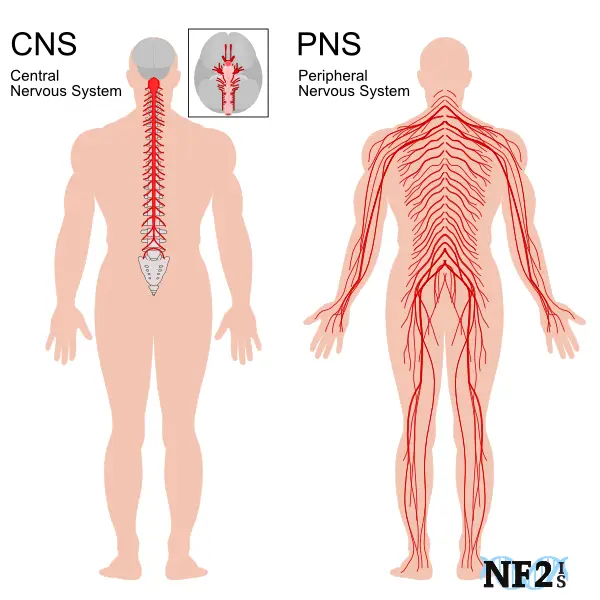
One of the main challenges in treating neurodegenerative conditions like Parkinson’s disease is the blood-brain barrier (BBB)—a selective membrane designed to protect the central nervous system by filtering circulating substances in the bloodstream. While this barrier protects brain tissue from pathogens, it can also restrict therapeutic signaling factors and systemic stem cells from reaching deeply situated subcortical structures, such as the substantia nigra and basal ganglia.
To overcome this physiological barrier, Innovations Stem Cell Center utilizes a specialized Mannitol administration protocol prior to intravenous cellular deployment:
-
1. Temporary Osmotic Gateway: Mannitol is a safe, medically proven sugar alcohol administered intravenously just before your stem cell deployment. It temporarily and safely opens the tight junctions of the blood-brain barrier for a brief window by drawing fluid away from vascular endothelial cells.
-
2. Direct Subcortical Access: By opening this physiological gateway, the ~100 million autologous Mesenchymal Stem Cells (MSCs)—along with key neurotrophic growth factors like GDNF and BDNF—can circulate directly into the brain regions most affected by dopaminergic neuronal loss and microglial inflammation.
-
3. Non-Invasive Safety Profile: Unlike risky intrathecal (spinal tap) injections, pre-treatment with Mannitol combined with standard systemic IV infusion provides a safe, non-invasive method for delivering high-yield autologous cells directly to central motor pathways without hospital admission.
Managing Motor Symptoms, Tremors, & Non-Motor Fatigue
Parkinson’s disease affects every patient differently. While cardinal motor symptoms—such as resting tremors, muscle rigidity, bradykinesia (slowed movement), and postural instability—are often the most visible challenges, non-motor symptoms like severe chronic fatigue, sleep disturbances, and autonomic dysfunction can be equally debilitating.
Traditional dopamine-replacement medications (such as levodopa/carbidopa) focus on managing symptoms by replacing missing neurotransmitters, but they do not address underlying cellular stress or chronic neuroinflammation. Regenerative medicine approaches Parkinson’s management from a supportive biological foundation:
-
1. Calming Microglial Inflammation: Hyperactive microglial cells (the immune cells of the brain) drive ongoing neuroinflammation and accelerate neuronal damage. Adipose-derived MSCs release potent anti-inflammatory cytokines (such as IL-10) that help calm microglial activity and create a stable cellular environment.
-
2. Supporting Surviving Neurons: High concentrations of Glial Cell Line-Derived Neurotrophic Factor (GDNF) and Brain-Derived Neurotrophic Factor (BDNF) encourage cellular survival signaling, helping nourish remaining dopaminergic pathways.
-
3. Complementary Integrative Care: Stem cell therapy is designed as a supportive protocol that works alongside your existing neurological treatment plan. By reducing systemic inflammatory stress and encouraging microvascular blood flow, many patients utilize cell therapy to help manage progressive fatigue, improve daily stamina, and support overall functional mobility.
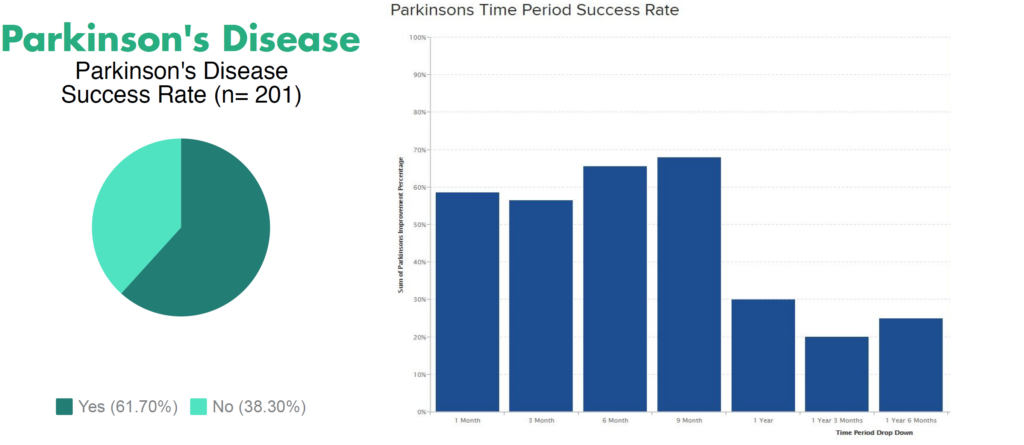
Innovations Stem Cell Center Patient-Reported Outcomes: First 201 Patients Receiving Stem Cells for Parkinson’s Disease