
MSC Mechanisms: Paracrine Signaling and Repair — 7 Ways Stem Cells Support Anti-Aging
Why Stem Cells Work Without Replacing Tissue
Jump to Section:
Paracrine Basics | Anti-Aging Benefits | Repair Mechanisms | Real-World Impact | Takeaway
AI Overview Summary:
Mesenchymal stem cells (MSCs) support anti-aging primarily through paracrine signaling, a process in which cells release bioactive molecules that regulate inflammation, activate repair pathways, support mitochondrial function, and improve immune balance. Research shows these signaling effects—rather than direct tissue replacement—drive most regenerative and healthspan benefits. By restoring cellular communication, MSC-based therapies may help the body age with greater resilience, function, and balance.
When people hear the term stem cell therapy, they often imagine stem cells turning into new organs or replacing damaged tissue directly. While that idea sounds appealing, modern research shows that this is not the primary way stem cells support healing or anti-aging.
Instead, the most powerful effects of mesenchymal stem cells (MSCs) occur through MSC paracrine signaling—a sophisticated system of cellular communication that helps regulate inflammation, activate repair pathways, and restore balance at the tissue level.
At Innovations Stem Cell Center, our anti-aging protocols are built around this science. By using autologous adipose-derived mesenchymal stem cells, we focus on enhancing the body’s natural ability to repair itself rather than forcing artificial tissue replacement.
What Are Mesenchymal Stem Cells (MSCs)?
Mesenchymal stem cells are adult stem cells found in several tissues throughout the body, including fat, bone marrow, and connective tissue. Among these sources, adipose (fat) tissue contains one of the highest concentrations of MSCs, making it especially useful for regenerative medicine.
MSCs are known for their ability to:
Regulate immune responses
Reduce chronic inflammation
Support tissue repair
Coordinate cellular communication
What Is Paracrine Signaling?
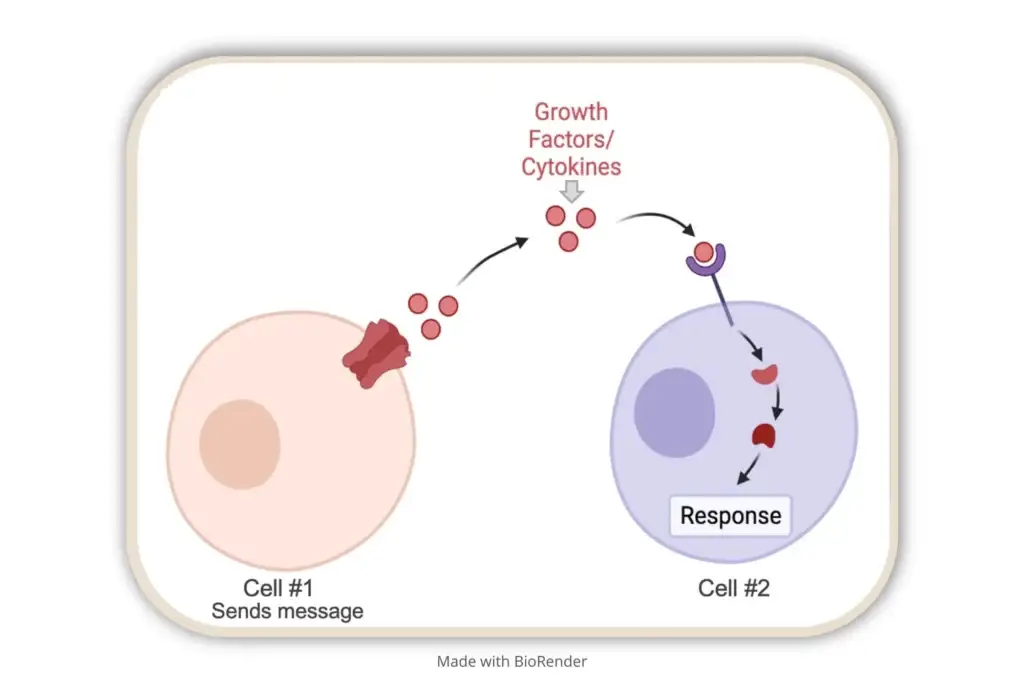
Paracrine signaling refers to the process by which cells release signaling molecules that affect nearby cells. Rather than becoming new tissue themselves, MSCs act as biological coordinators, releasing a wide range of bioactive factors that guide repair and immune balance.
These signaling molecules include:
Growth factors
Cytokines and chemokines
Anti-inflammatory mediators
Extracellular vesicles and exosomes
This signaling allows MSC paracrine signaling to influence healing without permanently engrafting or altering tissue structure.
Why MSC Paracrine Signaling Matters for Anti-Aging
Aging is driven less by isolated injuries and more by chronic low-grade damage, immune imbalance, and breakdown in cellular communication. MSC paracrine signaling directly addresses these issues.
Research shows that MSC paracrine effects help:
Calm overactive immune responses
Reduce chronic inflammation (inflammaging)
Improve the tissue environment for repair
Support mitochondrial and metabolic function
This makes MSC paracrine signaling central to healthspan optimization, not just symptom relief.
7 Science-Backed Ways MSC Paracrine Signaling Supports Repair and Anti-Aging
1. Immune Modulation and Balance
MSCs release signaling molecules that help regulate immune activity rather than suppress it outright. This modulation reduces unnecessary inflammation while preserving the immune system’s ability to respond to real threats. Immune balance is a critical factor in slowing biological aging and reducing age-related disease risk.
👉 Related reading:
2. Reduction of Chronic Inflammation (Inflammaging)
MSC Paracrine signaling helps to down regulate pro-inflammatory pathways that remain chronically active with age. This reduces the inflammatory stress placed on joints, blood vessels, nerves, and organs. Lowering inflammaging is one of the most effective strategies for preserving long-term function.
3. Activation of the Body’s Own Repair Cells
Rather than replacing damaged tissue, MSCs signal resident stem cells and repair cells already present in the body. This activation improves healing capacity and tissue maintenance. Aging tissues often retain repair potential but lack the signaling needed to activate it.
4. Support of Mitochondrial and Cellular Energy Health
MSC paracrine signaling factors help improve mitochondrial efficiency and reduce oxidative stress. Healthier mitochondria support better energy production, muscle strength, and cognitive performance. This mechanism is especially important in combating fatigue and metabolic decline with age.
5. Reduction of Harmful Senescent Cell Signaling
Senescent cells accumulate with age and release inflammatory signals that damage surrounding tissue. MSC paracrine signaling helps reduce the harmful effects of these signals and improves the tissue environment. This contributes to healthier aging at the cellular level.
6. Improvement of Vascular and Circulatory Health
MSCs release growth factors that support blood vessel health and circulation. Improved microcirculation enhances oxygen and nutrient delivery to tissues, which is essential for repair and metabolic stability as we age.
7. System-Wide (Whole-Body) Effects
Because MSC paracrine signaling works through circulation and immune pathways, MSC effects are systemic rather than localized. This allows multiple organ systems to benefit simultaneously, supporting whole-body resilience instead of isolated symptom treatment.
Why Adipose-Derived MSCs Are Ideal for Paracrine Signaling
Adipose-derived MSCs are particularly well suited for paracrine-based therapies because:
They are abundant and easily obtained
They maintain signaling activity with age
They are highly effective at immune modulation
They come from the patient’s own body (autologous)
Anti-Aging at Innovations Stem Cell Center
At Innovations Stem Cell Center, our approach to anti-aging is rooted in biology, not hype. Our protocols are designed to support paracrine signaling and immune balance, which research shows are central to healthy aging.
Dr. Bill Johnson, MD, has over 12 years of experience working with stem cell-based regenerative therapies. His patient-centered approach emphasizes safety, science, and realistic expectations.
Innovations Stem Cell Center was named the Best Stem Cell Treatment Center in the United States by Life Science Review Magazine, reflecting our commitment to evidence-aligned regenerative care.
What Paracrine Signaling Does NOT Claim
Responsible science is clear about limitations:
MSC paracrine signaling does not reverse aging
It does not replace healthy lifestyle choices
Results vary between individuals
Instead, research supports using paracrine-based therapies to support resilience, balance, and repair as part of a comprehensive healthspan strategy.
Real-World Implications of MSC Paracrine Signaling in Anti-Aging Care
Understanding MSC paracrine signaling is not just an academic exercise—it has meaningful implications for how anti-aging and regenerative therapies are designed and delivered. Rather than focusing on isolated symptoms, paracrine-based approaches aim to influence the underlying biological environment that determines how tissues age and recover.
Supporting Musculoskeletal Health as We Age
As people age, joints, muscles, and connective tissues are exposed to chronic inflammatory stress and reduced repair signaling. MSC paracrine factors help regulate inflammation within these tissues and stimulate local repair pathways. This may support better mobility, reduced stiffness, and improved recovery after physical activity. For many patients, maintaining movement is one of the most important contributors to long-term independence and quality of life.
Promoting Cardiovascular and Circulatory Resilience
Healthy circulation is essential for delivering oxygen, nutrients, and signaling molecules throughout the body. Paracrine signaling from MSCs includes growth factors that support vascular integrity and microcirculation. Improved blood flow may help protect tissues from age-related decline and support metabolic and cardiovascular stability over time.
Supporting Cognitive and Neurological Health
The brain is highly sensitive to inflammation, oxidative stress, and reduced energy availability. MSC paracrine signaling helps reduce inflammatory stress and supports mitochondrial function, which are critical for brain health. While not a treatment for neurological disease, these mechanisms may help support cognitive clarity and resilience as part of a broader healthspan strategy.
Integrating Paracrine Signaling With Lifestyle and Preventive Care
Paracrine-based regenerative therapies work best when integrated with healthy lifestyle practices such as proper nutrition, regular physical activity, adequate sleep, and stress management. These factors influence the same biological pathways—immune balance, inflammation, and cellular energy—that MSC signaling targets. Together, they form a comprehensive approach to aging better rather than simply aging longer.
Why Mechanism-Based Understanding Matters for Patients
Patients are increasingly seeking therapies grounded in clear biological mechanisms rather than marketing claims. Understanding how MSCs work through paracrine signaling allows patients to set realistic expectations and make informed decisions. It also helps distinguish evidence-based regenerative medicine from unproven or exaggerated anti-aging interventions.
Final Takeaway: Communication Is the Key to Repair
The future of anti-aging medicine is not about forcing the body to regenerate unnaturally. It is about restoring communication between cells so the body can repair itself more effectively.
By understanding MSC mechanisms—especially paracrine signaling and repair—patients can make informed decisions about science-based regenerative care. At Innovations Stem Cell Center, we are committed to advancing this approach responsibly and ethically.