Stem Cell Research in Alzheimer’s Disease: What the Science Shows
Stem cell research continues to attract interest for its potential to support tissue repair and modulate degenerative processes. Among the areas explored is Alzheimer’s disease, a progressive neurodegenerative condition that affects memory, thinking, and behavior.
While laboratory research has uncovered intriguing biological mechanisms, it’s critical to understand what current evidence actually supports and where the science is heading.
What Is Alzheimer’s Disease?
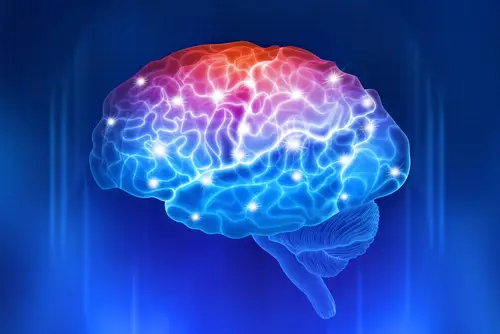
Alzheimer’s disease is a form of dementia characterized by the buildup of amyloid plaques and tau tangles in the brain. This leads to neuronal dysfunction, cognitive decline, and ultimately loss of independence.
Current treatments focus on symptom management and slowing progression; there is no cure to reverse the underlying disease process.
How Stem Cells Are Studied in Alzheimer’s Research
Stem cells have been explored in Alzheimer’s research to understand:
How brain cells regenerate or fail to regenerate
Mechanisms of neuroinflammation
Potential support for neuron survival
Molecular pathways involved in cognition
Some laboratory studies investigate the concept of “awakening” dormant neural progenitor cells or using stem cell–derived cells to influence brain repair processes. These studies help scientists map biological mechanisms but are not yet established as clinical therapies.
What Current Research Shows
Scientific literature reports early findings such as:
Stem cells can secrete factors that modulate inflammation
Some animal studies show improved cognitive markers after cell interventions
Activation of previously inactive neural stem cell niches in experimental models
Importantly, these results are primarily in controlled laboratory or preclinical settings. Human clinical evidence for stem cell treatment in Alzheimer’s remains limited and experimental. Consistent efficacy has not been proven.
Limitations and Cautions
While research is promising in specific contexts, it is not yet at a stage where:
Stem cells are a proven therapy for Alzheimer’s
Clinical protocols are widely adopted
Long-term safety and efficacy are established
Patients should rely on qualified neurologists and evidence-based care. Experimental research should occur within regulated clinical trials.
Future Directions in Alzheimer’s and Regenerative Medicine
Ongoing research explores:
Neural stem cell activation
Biologic factor modulation
Combination therapies
Gene + cell therapy integrative models
Many of these concepts are years away from widespread clinical use.
How This Relates to Your Regenerative Journey
If someone with memory changes asks about stem cell therapy, it’s important to:
✔ Discuss clinical evidence
✔ Set realistic expectations
✔ Avoid unproven “stem cell cure” claims
✔ Focus on supportive care and safety
Frequently Asked Questions About Stem Cells & Alzheimer’s
Can stem cells cure Alzheimer’s?
No — while research is ongoing, there is currently no established stem cell therapy that cures Alzheimer’s disease.
Is there any clinical evidence for stem cells in Alzheimer’s?
Most evidence comes from laboratory or early preclinical studies. Human clinical data is very limited and largely experimental.
What do researchers mean by “awakening sleeping stem cells”?
This refers to experimental strategies to activate dormant neural progenitor cells in the brain, a concept still in early research phases.
Should patients pursue stem cell therapy for Alzheimer’s now?
Patients should rely on evidence-based care and consult neurologists. Experimental therapies should be part of regulated clinical trials, not general practice.