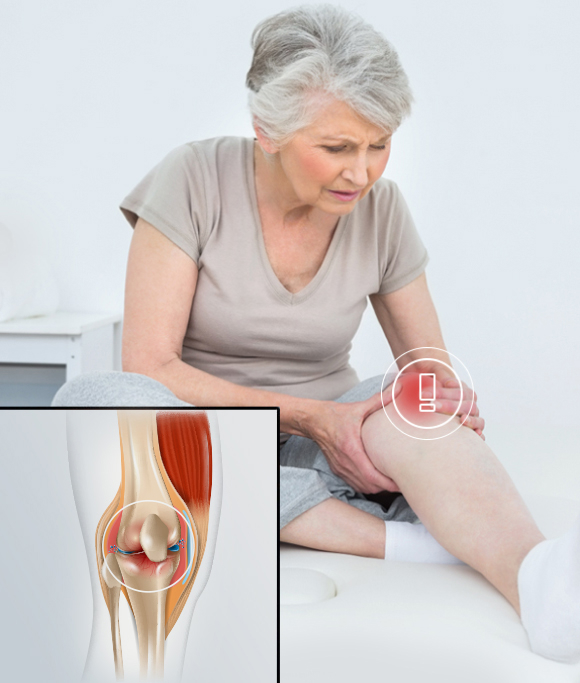

Treatment Alternatives to Knee Replacement Surgery
Knee replacement surgery can be life-changing for many patients, but it’s also a major procedure with significant recovery time. For individuals looking to delay or avoid surgery, there are several non-surgical treatment alternatives that may help reduce pain and improve function.
This article breaks down those options — from conservative care to advanced regenerative therapies — so you can better understand what’s available and how to discuss these choices with your healthcare provider.
Understanding Knee Arthritis and Surgical Decisions
Knee arthritis — whether osteoarthritis or inflammatory — gradually degrades cartilage and joint integrity. When conservative measures no longer provide relief and quality of life is significantly impacted, joint replacement may be recommended.
However, surgery is not the only path. For some patients, a combination of treatments can meaningfully reduce symptoms and improve mobility.
Conservative Non-Surgical Options
Knee arthritis — whether osteoarthritis or inflammatory — gradually degrades cartilage and joint integrity. When conservative measures no longer provide relief and quality of life is significantly impacted, joint replacement may be recommended.
However, surgery is not the only path. For some patients, a combination of treatments can meaningfully reduce symptoms and improve mobility.
Conservative Non-Surgical Options
Physical Therapy and Exercise
Targeted exercises improve muscle strength, stability, and joint function, which can reduce pain and delay progression.
Weight Management
Reducing excess body weight decreases stress on knee joints and can improve pain symptoms.
Medications
Non-steroidal anti-inflammatory drugs (NSAIDs) and other physician-recommended medications may help manage symptoms.
Activity Modification
Limiting high-impact activities and using supportive devices (braces, orthotics) can lessen joint strain.
Injections and Non-Surgical Interventions
Corticosteroid Injections
May provide short-term pain relief by reducing local inflammation.
Hyaluronic Acid (Viscosupplementation)
Aims to improve lubrication in the joint, potentially easing movement and discomfort.
Platelet-Rich Plasma (PRP)
PRP involves injecting a concentrated portion of a patient’s own platelets to support healing and reduce inflammation.
These options vary in effectiveness between individuals and should be discussed with an orthopedic specialist.
Regenerative Medicine and Emerging Therapies
Stem Cell Therapy
Stem cell based approaches are being studied and used in some clinical settings to support joint comfort and tissue health. While still evolving, regenerative protocols such as autologous cell therapies may help reduce inflammation and promote healing processes in certain knee conditions.
Learn More About Our Arthritis Stem Cell Therapy
Note: Outcomes vary by patient and condition, and these therapies should be considered after comprehensive medical evaluation.
Lifestyle and Supportive Measures
Low-impact exercises (swimming, cycling)
Heat/ice therapy
Balanced diet and anti-inflammatory nutrition
Supplements (when medically appropriate)
These supportive strategies can be part of a multi-modal approach for symptom management.
When Surgery Remains the Best Option
Surgery may be recommended when:
Pain significantly limits daily activities
Conservative care no longer provides relief
Structural damage is severe
Quality of life is substantially affected
A thoughtful consultation with a surgeon and/or specialist can help determine timing and appropriateness.
Frequently Asked Questions About Knee Replacement Alternatives
Are there effective alternatives to knee replacement surgery?
Yes — depending on individual condition, alternative options include physical therapy, injections, lifestyle changes, and regenerative therapies, which may help reduce pain and improve function.
Can stem cell therapy replace knee surgery?
Stem cell therapy is an emerging option explored for supporting comfort and reducing inflammation, but it has not fully replaced knee replacement surgery and should be discussed with a clinician.
How long do non-surgical knee treatments last?
Effectiveness varies widely by treatment type and patient health. Some injections or therapies offer short-term relief, while others may contribute to longer symptom improvement.
When should I consider surgery?
Consider surgery when pain severely limits daily life and conservative care no longer provides sufficient relief.