Is Stem Cell Therapy Safe?
As medical science continues to advance and new treatments become available, safety remains a top concern for patients. While stem cell therapy promises exciting results for a wide range of conditions, like any newer treatment, people have questions about its safety and effectiveness.
This guide gives an overview of the safety of stem cell therapy, answers basic questions about stem cells, and explains how different approaches to stem cell therapy can impact results.
Dr. Bill Johnson and the Innovations Medical Stem Cell Center are leaders in this exciting field and have safely performed stem cell treatments in North Texas since 2013. Together with the Cell Surgical Network, we have performed more than 12,000 treatments and are proud to be the first Cell Surgical member in the region.
Stem Cell Therapy and Safety
Although research and development are ongoing, stem cell therapy is generally safe, as long as it is performed by an experienced medical team using proven techniques. The type of stem cells used also has an effect on safety. For example, adult stem cells harvested from a patient’s own fat are generally considered to be safer, with multiple studies supporting their safety. At Innovations Medical, we exclusively use adult stem cells harvested from a patient’s own fat, known as autologous stem cells.Stem Cell Therapy Side Effects
As with any medical procedure, stem cell therapy carries some risk of complications and side effects. These risks largely depend on the types of stem cells used, the method of delivery, and the overall health of the patient. While adult stem cells harvested from a patient’s own fat are considered safer, there is a rare risk of infection, bleeding, or other complications. Side effects can include temporary pain and discomfort at the treatment site, and rarely nausea, headaches, and changes in blood pressure. To lower your risk of side effects, work with an experienced and reputable stem cell practitioner who performs thorough patient medical screenings to ensure you are an appropriate candidate for this type of treatment.Stem Cells Explained
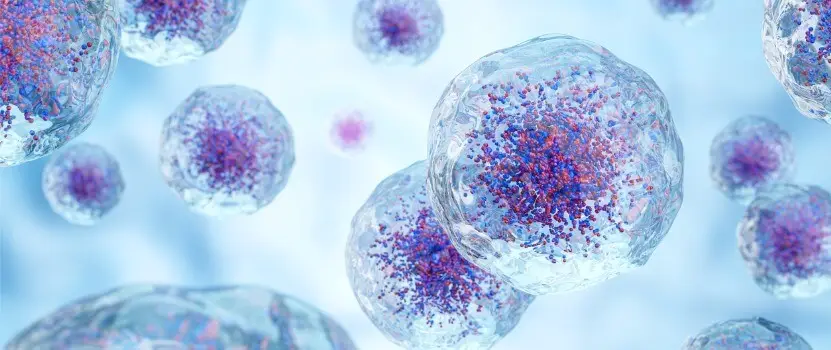
Stem cells are cells that have the unique property of being able to differentiate into other types of cells. This can include muscular or connective tissue cells, nervous cells, blood cells, or a range of other cell types. Stem cells are found in many locations throughout the body, including bone marrow, blood, and fat tissue. There are two primary types of stem cells: embryonic stem cells and adult stem cells. Embryonic stem cells are derived from embryos, while adult stem cells are found in various tissues in the body and are involved in tissue repair and regeneration. Autologous stem cell procedures always use adult stem cells harvested from a patient’s own body.Can The Body Reject Stem Cells?
When stem cells are taken from the patient’s own body, there is no risk of rejection. This is because the immune system recognizes them as self. There is still a very small possibility for the body to reject stem cells even in an autologous procedure. Rejection can only happen if the stem cells are contaminated or damaged during collection, processing, or storage — which is why an experienced and reputable provider is so important.Different Types of Stem Cell Therapy
Autologous stem cell therapy can be used in a wide range of applications including:- Musculoskeletal conditions and injuries for muscle and joint repair
- Neurological disorders
- Autoimmune diseases
- Heart and vascular diseases
- Urologic dysfunction and surgery
- Lung disease
- Eye diseases